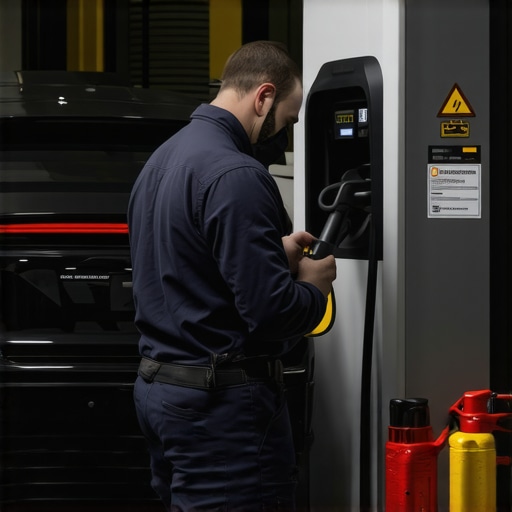

Troubleshooting Common EV Charger Issues & Ensuring Safety in 2024
My First Encounter with EV Charger Troubles: A Personal Story
Just a few months ago, I faced a frustrating situation where my EV charger suddenly stopped working during a busy weekday. As someone who’s passionate about sustainable transportation, I was determined to resolve the issue quickly. That experience sparked my deep dive into troubleshooting common EV charger issues and understanding how to ensure safety for my home and family.
Understanding the Root Causes of EV Charger Problems
Through my research and practical experience, I learned that many common issues stem from electrical supply problems, faulty connections, or outdated equipment. For instance, a loose connection can cause frequent disconnections, while incorrect installation might trigger safety shutoffs. I discovered that regular maintenance and proper installation are crucial in preventing these issues. For authoritative insights, I referred to resources like Bright Spark Electric’s troubleshooting guide.
How Do You Know When Your EV Charger Needs Troubleshooting?
Are Warning Signs Always Obvious or Sometimes Subtle?
In my experience, warning signs can be both overt, like error lights or failure to charge, and subtle, such as slow charging speeds or intermittent connections. Recognizing these early signs helps prevent more serious electrical issues and safety hazards.
DIY Troubleshooting Tips I Swear By
First, I always check the power source—sometimes, the problem is as simple as a tripped circuit breaker or a blown fuse. Next, I inspect the physical connections for corrosion or looseness. If these basic steps don’t resolve the issue, I consult a professional electrician to perform a thorough inspection and any necessary panel upgrades.
Ensuring Safety with Proper Code Compliance
One thing I’ve learned is that safety should never be compromised. Installing or upgrading an EV charger requires adherence to local electrical codes. For example, I reviewed the code compliance guidelines to ensure my setup is safe and reliable. It’s always wise to consult a certified electrician for installations or upgrades to avoid potential hazards.
How Can You Prevent Future Issues?
Prevention starts with regular inspections and maintenance. I schedule periodic checks and keep an eye on any warning signals. Upgrading my electrical panel was a game-changer for me, providing better capacity and reducing the risk of overloads. If you’re considering similar upgrades, I recommend exploring panel upgrade tips for 2024.
Share Your Experience & Keep Charging Safely!
If you’ve faced similar issues or have additional troubleshooting tips, I’d love to hear your stories. Sharing our experiences helps build a community of informed EV owners committed to safety and reliable charging. Feel free to comment below or reach out through our contact page.
What Are the Critical Factors for Safe and Compliant EV Charger Panel Upgrades?
When upgrading your electrical panel for EV charging, understanding the nuances of code compliance is essential. Not only does it ensure safety, but it also prevents costly legal or safety issues down the line. Key factors include adhering to local electrical codes, selecting the right breaker sizes, and ensuring wiring is correctly rated for your specific charger capacity. For a detailed overview, check out panel upgrade code compliance tips.
How Do You Navigate the Complexities of Local Regulations?
Local electrical codes can vary significantly, making it vital to stay informed about regional requirements. Many municipalities have specific standards for EV charger installations, especially concerning grounding, circuit protection, and load calculations. Consulting local authorities or a certified electrician can provide clarity. Moreover, referencing comprehensive guides such as how to verify code compliance can help ensure your project aligns with all safety standards.
Why Is Expert Consultation Crucial for Ensuring Code Compliance?
While DIY projects are tempting, professional electrical work guarantees adherence to safety standards and code requirements. Electricians possess the expertise to assess your current system, recommend appropriate panel upgrades, and handle permits or inspections. They also ensure that the wiring and breaker sizes match your EV charger specifications, reducing the risk of overloads or fire hazards. For more insights, see expert tips on code compliance.
What Common Mistakes Should You Avoid During EV Panel Upgrades?
Common pitfalls include neglecting to upgrade the panel capacity, miscalculating load requirements, or ignoring local code updates. Overlooking proper grounding or using incompatible wiring can also compromise safety. To mitigate these risks, always collaborate with licensed electricians and verify your setup against current standards. For a deeper dive into common errors and how to avoid them, visit troubleshooting and compliance tips.
How Can You Future-Proof Your Electrical System for Evolving EV Technology?
As EV technology advances, charging speeds and power demands increase, making it prudent to plan for future needs. Upgrading your panel with additional capacity and ensuring compliance with the latest codes can accommodate upcoming chargers or upgrades. Regular inspections and staying updated on code changes are also vital. For tailored advice, explore panel upgrade tips for 2024.
Share Your Experience & Keep Your Charging Safe!
If you’ve navigated the process of EV panel upgrades or have insights into compliance challenges, I encourage you to share your stories. Your experience can help others avoid pitfalls and ensure safer, more reliable EV charging at home. Feel free to comment below or reach out through our contact page.
Beyond the Basics: Navigating the Complexities of EV Panel Upgrades with Personal Insight
When I first embarked on upgrading my electrical panel for EV charging, I quickly realized that adhering strictly to codes was only part of the equation. The real challenge lay in understanding the nuanced demands of my specific setup—considering factors like future tech advancements, regional variations, and the intricate balance of electrical loads. This personal journey led me to dive deeper into the less obvious aspects of panel upgrades, transforming a simple safety measure into a strategic investment for future-proofing my home’s electrical infrastructure.
How Do I Balance Current Code Requirements with Future Technological Developments?
From my experience, staying ahead of the curve involves more than just complying with existing standards. I found that consulting detailed guides such as panel upgrade code compliance tips provided valuable insights into anticipating upcoming changes. For example, increasing panel capacity beyond the immediate requirement can accommodate faster chargers and additional EVs, thus avoiding costly upgrades later. It’s a matter of strategic planning—aligning current upgrades with future needs, all while ensuring safety and compliance.
What Are the Hidden Risks of Overlooking Regional and Local Regulations?
During my research, I discovered that regional codes often have subtle differences that can significantly impact your upgrade process. In certain areas, specific grounding requirements or circuit protection standards must be met, which may not be explicitly covered in national guidelines. I learned that collaborating with local authorities or seasoned electricians familiar with regional nuances can prevent costly rework or legal issues. For those interested in a comprehensive approach, I recommend reviewing how to verify code compliance to ensure your installation ticks all regional boxes.
Why Do I Emphasize the Importance of Professional Consultation for Upgrades?
While DIY appeals to many homeowners, my experience underscores that professional electrical work is invaluable. A licensed electrician brings not only technical expertise but also a nuanced understanding of code intricacies and safety standards. For instance, I had a close call with an improperly rated breaker that could have led to overloads or fire hazards. Working with professionals ensures that wiring, breaker sizes, and grounding are correctly implemented, as highlighted in expert tips on code compliance. This collaboration transforms a potentially risky DIY project into a safe, compliant upgrade.
What Are the Common Pitfalls in Panel Upgrades and How to Avoid Them?
Reflecting on my own journey, I realize many pitfalls stem from neglecting load calculations or ignoring updates in electrical standards. For example, assuming existing wiring can handle increased loads without proper verification can lead to dangerous situations. To avoid this, I always double-check load calculations and consult current standards—something I learned from troubleshooting and compliance tips. Collaborating with a knowledgeable electrician ensures these errors are caught early, safeguarding your home and future upgrades.
How Can I Future-Proof My Electrical System for the Rapid Evolution of EV Technology?
In my view, future-proofing is about more than just capacity; it’s about flexibility and adaptability. Installing a panel with additional breaker slots, using modular components, and ensuring wiring is rated for higher capacities are steps I took to prepare for upcoming charging technologies. Furthermore, I stay updated on the latest code changes through resources like panel upgrade tips for 2024. It’s a continuous process—regular inspections and staying informed help me adapt to new demands without unnecessary disruptions or hazards.
Sharing these insights is part of my ongoing journey. If you’re considering or have already undertaken a similar upgrade, I’d love to hear your experiences. Your stories can provide invaluable guidance to others navigating this complex but rewarding process. Feel free to comment below or reach out through our contact page.
Strategic Load Management: Balancing Present Demands with Future Expansion
One of the most nuanced aspects of my journey involved implementing sophisticated load management techniques that go beyond basic capacity upgrades. I discovered that integrating smart load controllers can dynamically balance power distribution, preventing overloads while accommodating multiple EV chargers and other high-demand appliances. This approach not only ensures safety but also optimizes energy efficiency. For those contemplating such systems, exploring advanced panel upgrade strategies can provide invaluable insights into future-proofing your home’s electrical infrastructure.
How Can I Integrate Intelligent Load Management for Seamless EV Charging?
In my experience, deploying smart load management systems involves installing load-sensing devices and programmable controllers that respond to real-time energy consumption. This setup enables the electrical system to prioritize critical loads and reduce strain during peak times, thereby extending equipment lifespan and maintaining compliance with evolving standards. Collaborating with specialists who understand the latest in smart electrical solutions can streamline this process and ensure your system adapts proactively to future technological advancements.
Embracing Regional Variations: Navigating Local Regulations with Precision
During my research into regional regulatory nuances, I found that some jurisdictions require dedicated circuits for high-capacity EV chargers, while others mandate specific grounding methods or surge protections. Understanding these subtle differences is crucial for ensuring compliance and avoiding rework. For example, in certain regions, recent updates emphasize the importance of using GFCI protection for outdoor units, aligning with the latest safety standards. Consulting authoritative resources like comprehensive code verification guides has been instrumental in my planning process.
What Are Effective Strategies for Navigating Complex Local and Regional Codes?
My approach involves engaging with local electrical inspectors early in the planning phase and reviewing regional amendments to national standards. Establishing open communication channels helps clarify ambiguities and facilitates smoother permit approvals. Additionally, leveraging online resources that detail regional code specifics enhances my preparedness, ensuring that every upgrade aligns precisely with local requirements, thereby mitigating potential legal or safety issues.
The Value of Professional Expertise in Advanced Electrical Upgrades
While I initially considered DIY solutions, I quickly recognized that complex upgrades demand specialized knowledge. Collaborating with licensed electricians who are well-versed in the latest standards, such as expert code compliance guidance, ensures that every aspect—from breaker sizing to wiring methods—is meticulously addressed. This partnership transforms a potentially risky undertaking into a reliable, compliant, and future-ready installation.
How Do I Select the Right Professional Partner for High-Level Electrical Projects?
Selecting an electrician involves verifying credentials, reviewing past projects, and discussing their familiarity with emerging EV charging technologies and regional codes. I prioritized professionals who demonstrated a proactive approach to continuous learning and innovation, ensuring my system would not only meet current standards but also adapt seamlessly to future upgrades. Building this trust has been a pivotal step in my ongoing journey toward a resilient electrical infrastructure.
Anticipating Future EV Technology Trends: Strategic Planning for Long-Term Reliability
My research indicates that upcoming innovations—such as ultra-fast chargers and vehicle-to-grid (V2G) capabilities—will demand higher power capacities and more sophisticated electrical configurations. To stay ahead, I’ve adopted a proactive approach by installing panels with expandable capacity and reinforcing wiring to handle increased loads. Regularly updating my knowledge via authoritative sources, like latest code and technology guides, helps me adapt my system proactively rather than reactively.
How Can I Future-Proof My Electrical System Against Rapid EV Developments?
Future-proofing involves not only increasing capacity but also designing with modularity in mind—using adaptable components that can be upgraded without extensive rewiring. I also prioritize continuous education and periodic system assessments, which enable me to incorporate emerging standards and technologies seamlessly. Engaging with industry experts and staying informed about upcoming regulations ensures my infrastructure remains resilient and compliant, safeguarding my investment over the long term.
If you’re eager to explore these advanced strategies and share your own experiences, I encourage you to connect and exchange insights. Together, we can build a community of well-informed EV owners committed to safety, innovation, and sustainability. Feel free to comment or reach out through our contact page.
Things I Wish I Knew Earlier (or You Might Find Surprising)
1. The Subtle Signs of Trouble Aren’t Always Obvious
When I first started dealing with EV charger issues, I assumed that only obvious problems like failure to charge indicated trouble. It was a surprise to learn that slow charging speeds or intermittent connections often signal underlying electrical issues that need attention, reminding me to stay vigilant even during normal use.
2. Regular Maintenance Saves Headaches Later
In my experience, scheduling periodic inspections and simple checks can prevent major failures. A quick visual inspection of connections or testing outlet power can catch problems early, sparing me from costly repairs and safety hazards down the line.
3. Proper Code Compliance Is Non-Negotiable
I used to overlook local regulations, but understanding and adhering to electrical codes is crucial for safety and legality. Reviewing guidelines such as code compliance guidelines has been an eye-opener, ensuring peace of mind in my setup.
4. DIY Troubleshooting Has Limits
While I enjoy tackling small fixes myself, I learned that complex issues, especially those involving wiring or panel upgrades, are best left to professionals. Collaborating with licensed electricians ensures safety and adherence to standards, ultimately saving me from potential disasters.
5. Future-Proofing Your Electrical System Is Worth It
Anticipating future EV technology, I upgraded my panel capacity and incorporated smart load management. These investments make my system more adaptable and ready for faster chargers and additional EVs, which I see as essential in staying ahead.
6. Regional Regulations Can Be Tricky
Different areas have varying requirements, such as dedicated circuits or specific grounding methods. Consulting local authorities or experienced electricians helps me navigate these complexities smoothly, avoiding rework or legal issues.
Resources I’ve Come to Trust Over Time
- Bright Spark Electric’s Troubleshooting Guide: An excellent resource for diagnosing common EV charger issues, offering practical advice rooted in real-world experience.
- National Electrical Code (NEC) Documentation: The authoritative standard for electrical safety, essential for understanding compliance requirements.
- Local Electrical Authority Websites: Great for regional-specific regulations and updates that impact installations.
- Certified Electrician Consultation: Personalized expert advice that’s invaluable when dealing with complex upgrades or code compliance.
Parting Thoughts from My Perspective
Looking back, understanding the nuances of EV charger troubleshooting and the importance of safe, code-compliant upgrades has been a game-changer for me. It’s not just about fixing problems but building a resilient and future-ready electrical system. If you’re considering similar upgrades, my advice is to prioritize safety, consult professionals, and stay informed about evolving standards. This approach not only protects your home and loved ones but also ensures you get the most out of your EV investment. If this resonated with you, I’d love to hear your thoughts or experiences—feel free to share or reach out through our contact page. Together, we can keep our EV journeys safe and smooth.